Unpacking NST2 Targets that Hinge on Industrialisation
Rwanda’s Vision 2050 aspires to elevate the nation to upper-middle-income status by 2035 and high-income status by 2050 by achieving sustainable economic growth and ensuring a high quality of life for all Rwandans. This long-term vision is implemented through a series of medium-term national development strategies, beginning with the National Strategy for Transformation 1 (NST1, 2017–2024), which marked a critical phase in the country’s development journey and served as a bridge between Vision 2020 and the start of Vision 2050.
As 2024 marked the final year of NST1, it laid the foundation for subsequent national transformation strategies aimed at achieving Vision 2050. NST2, which spans from 2024 to 2029, was designed to provide strategic direction for national development, with a central focus on improving the lives of Rwandans and ensuring sustainable economic growth.
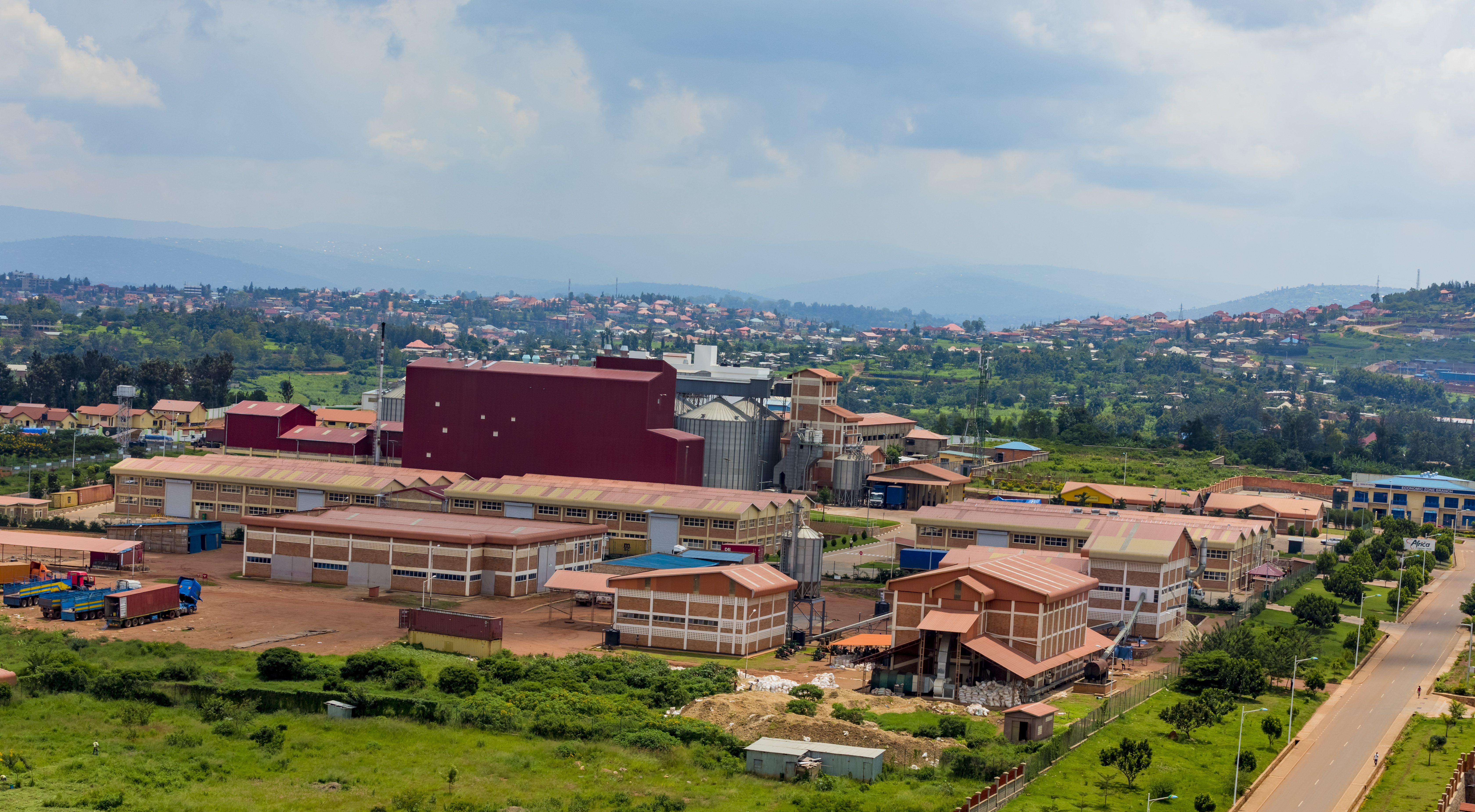
Industrialisation is set to play a key role in driving the successful implementation of the Second National Strategy for Transformation (NST2).
Key NST2 Industrialisation Targets
Under NST2, Rwanda has set ambitious targets, including:
Increasing industrial growth from 10.2% to 12.7%
Increasing export growth from $3.5 billion to $7.3 billion
Raising private investment from $2.2 billion to $4.6 billion
Growing tourism revenue from $0.62 billion to $1.1 billion
Expanding job creation from 214,000 to 250,000 jobs annually
Priority Investment Sectors
To accelerate industrialisation, Rwanda has identified key sectors for investment:
Agro-Processing: Expansion in horticulture, tea, sugar, and agricultural value chains
Light Manufacturing: Development of leather, textiles, pharmaceuticals, and emerging industries
Heavy Manufacturing: Growth in automotive, steel, glass, and related industries
Tradable Services: Strengthening tourism, global business services, and creative industries
Special Economic Zones and Industrial Parks
To support industrial growth, Rwanda has developed Special Economic Zones and industrial parks across the country. These zones provide investors with access to affordable land, modern infrastructure, and business-friendly policies. Key incentives include tax exemptions and duty remissions, fostering a competitive environment for both local and international markets.
By capitalising on its strategic location, investor-friendly policies, and expanding infrastructure, Rwanda is poised to become a leading force in regional trade and industrial development. The country’s industrialisation agenda will not only drive economic transformation but also create sustainable opportunities for businesses and investors.
Topics
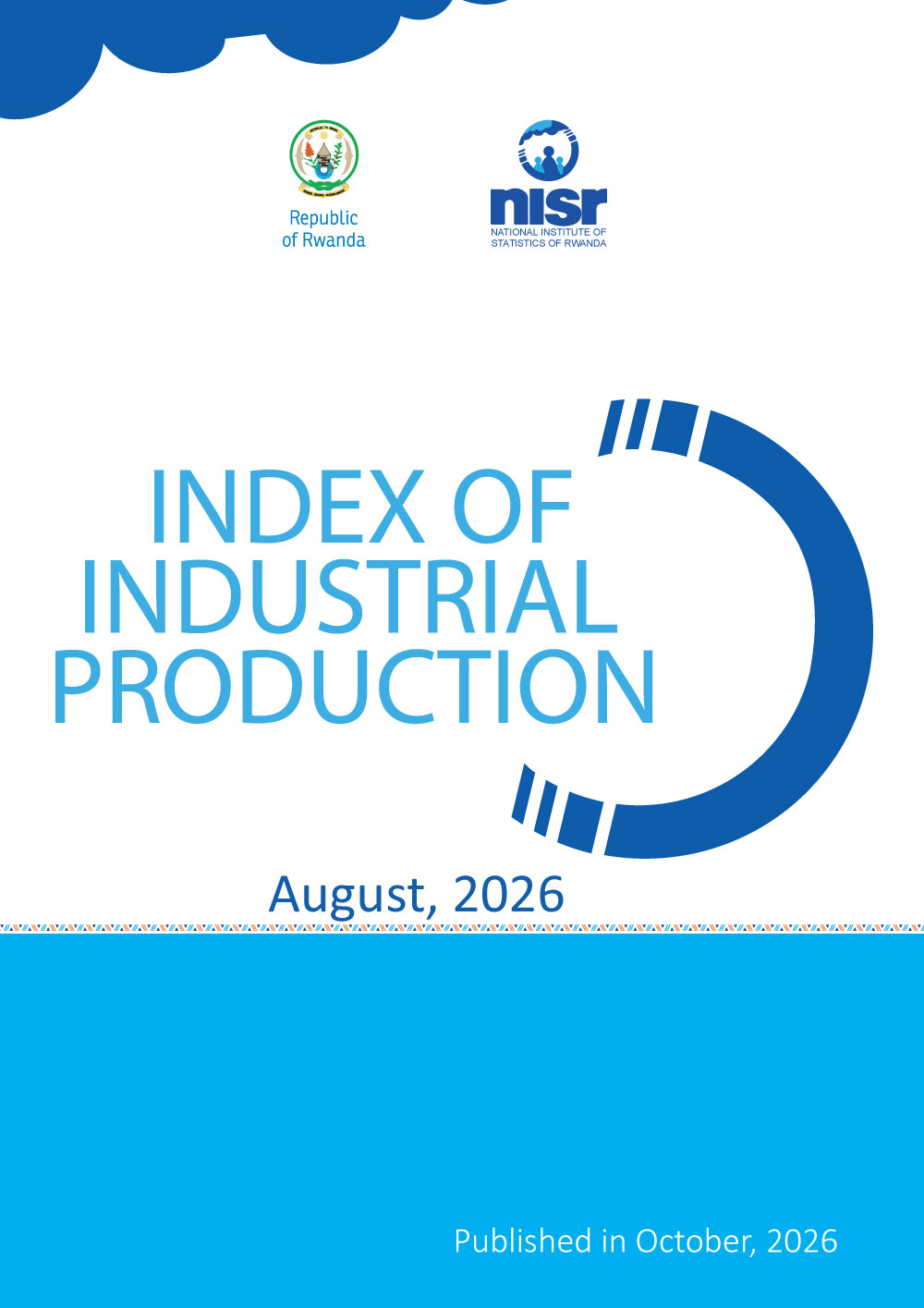
Industrial Output Rises by 6.8% in August 2026
Rwanda’s formal sector industrial output increased by 6.8% in August 2026 compared with the same month in 2025, while the annual average growth rate…
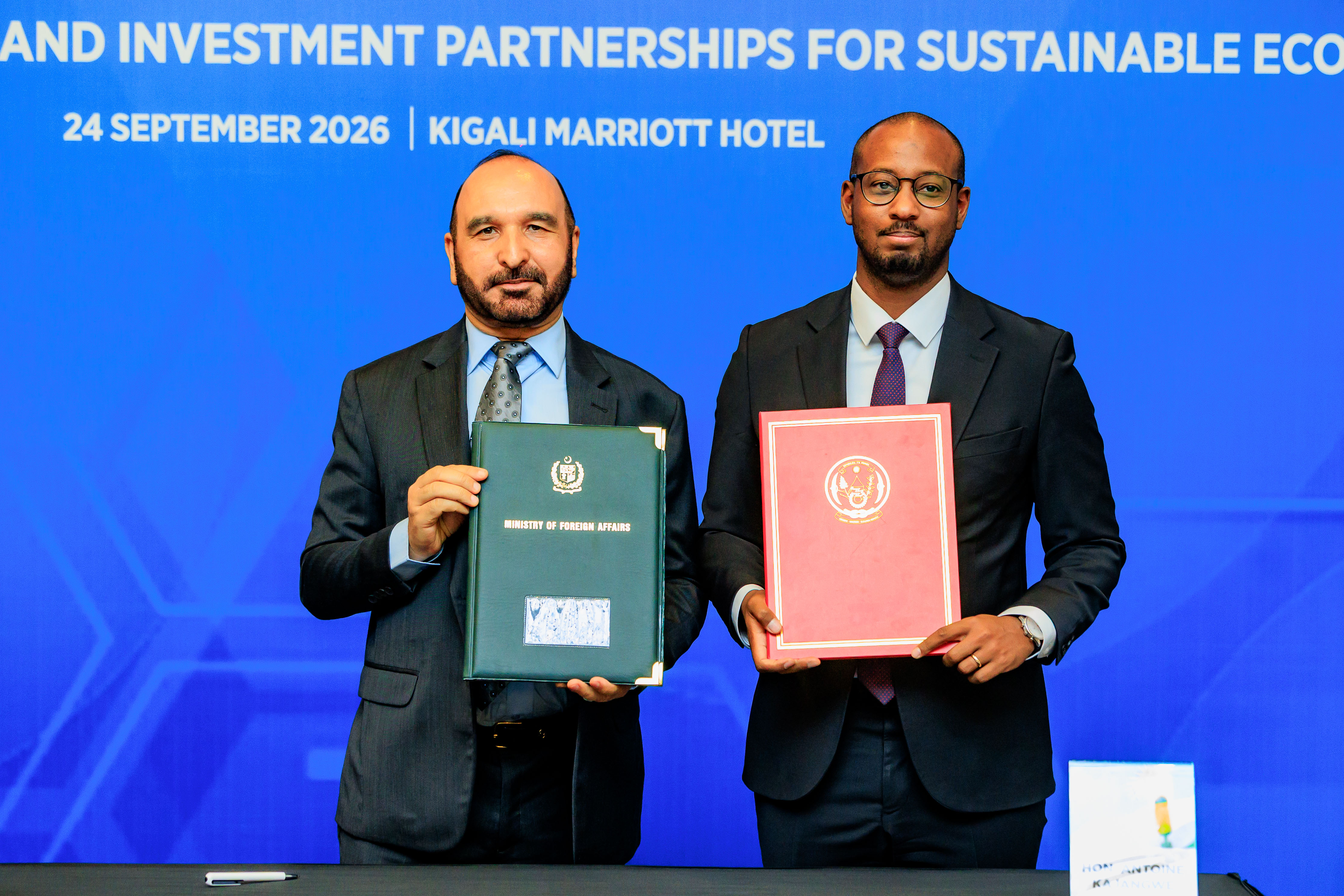
Rwanda and Pakistan Advance Trade and Investment Cooperation at Investment Forum in Kigal
Kigali, 24 September 2026 – Government officials, business leaders and investors from Rwanda and Pakistan convened in Kigali today for the…

Rwandan MSMEs Showcase Made in Rwanda Products at FACIM 2026
Rwandan micro, small and medium enterprises (MSMEs) are showcasing Made in Rwanda products and exploring new business opportunities at the 61st…
RUSIZI PORT NEARS COMPLETION, SET TO BOOST TRADE, CONNECTIVITY AND ECONOMIC GROWTH
The construction of Rusizi Port has reached 97.5 percent completion, marking a significant milestone in Rwanda’s efforts to strengthen transport…
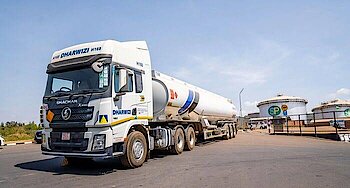
RNEC AND GBP SIGN AGREEMENT TO FACILITATE BULK PETROLEUM IMPORTS
Today, 03 July 2026, the Rwanda National Energy Company (RNEC) and Gulf Bulk Petroleum Tanzania Limited (GBP) signed an agreement to facilitate the…

Rwanda and Kenya Strengthen Strategic Partnership to Enhance Petroleum Supply Security
The Government of the Republic of Rwanda and the Government of the Republic of Kenya today, 29 June 2026, signed a Memorandum of Understanding (MoU)…
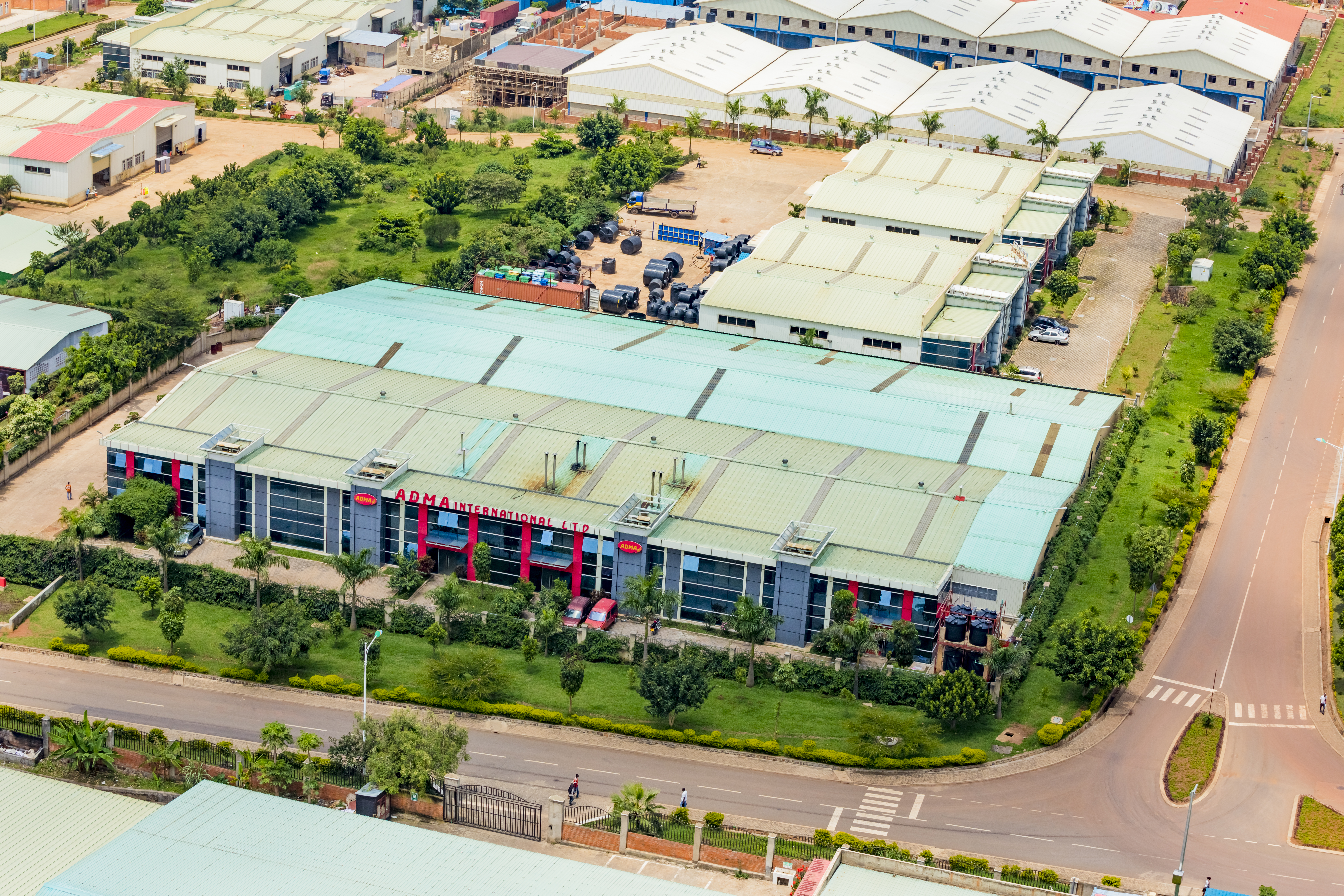
Industrial Output Records Strong Growth in November 2025
Formal sector industrial output increased by 10.3% in November 2025 compared to November 2024, while the annual average growth rate stood at 6.3%.…
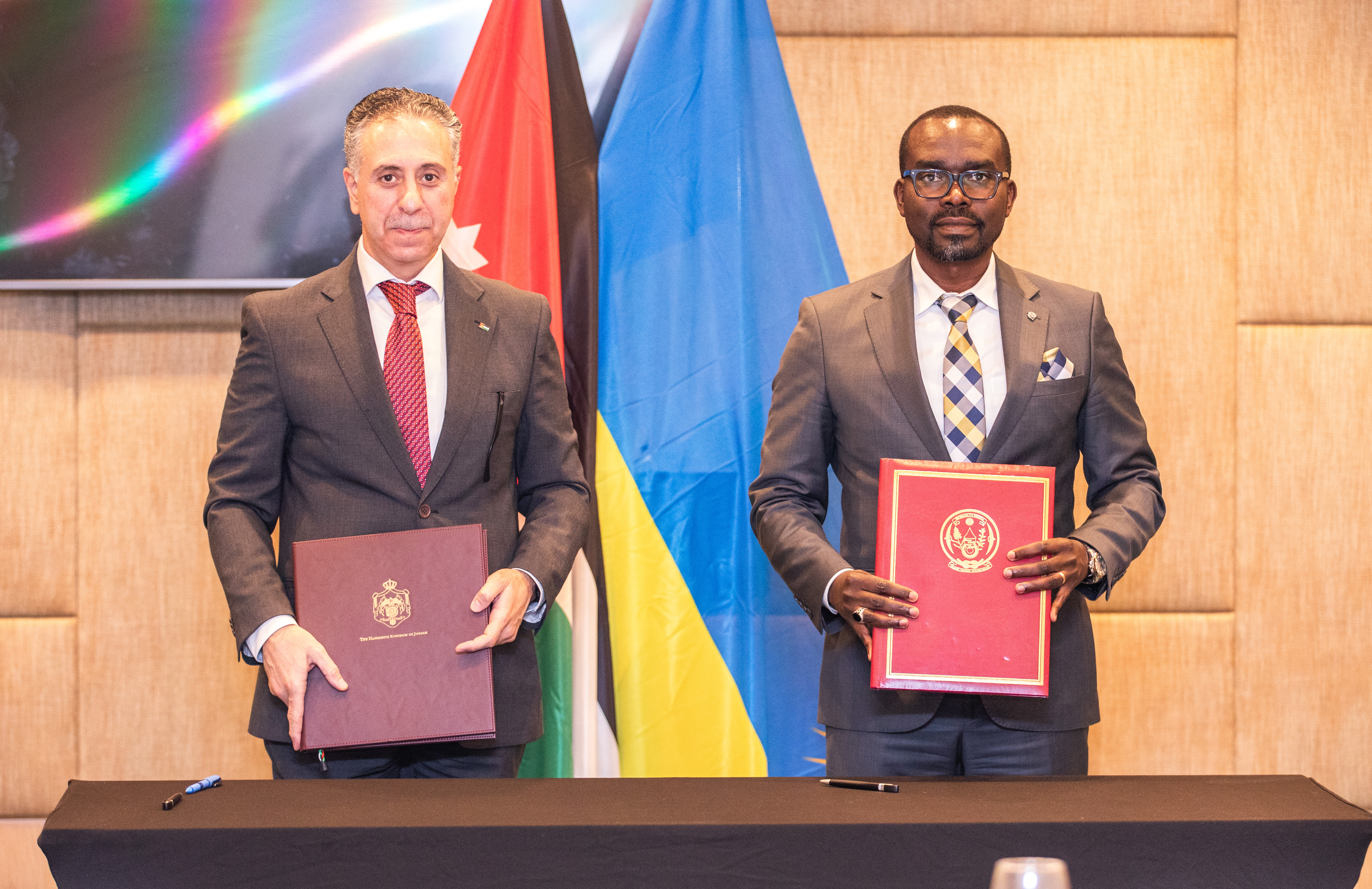
Rwanda and Jordan Sign Memoranda of Understanding to Enhance Cooperation
The Rwanda–Jordan Joint Trade Committee Meeting, held from 8–9 October 2025, concluded with the signing of several Memoranda of Understanding aimed at…
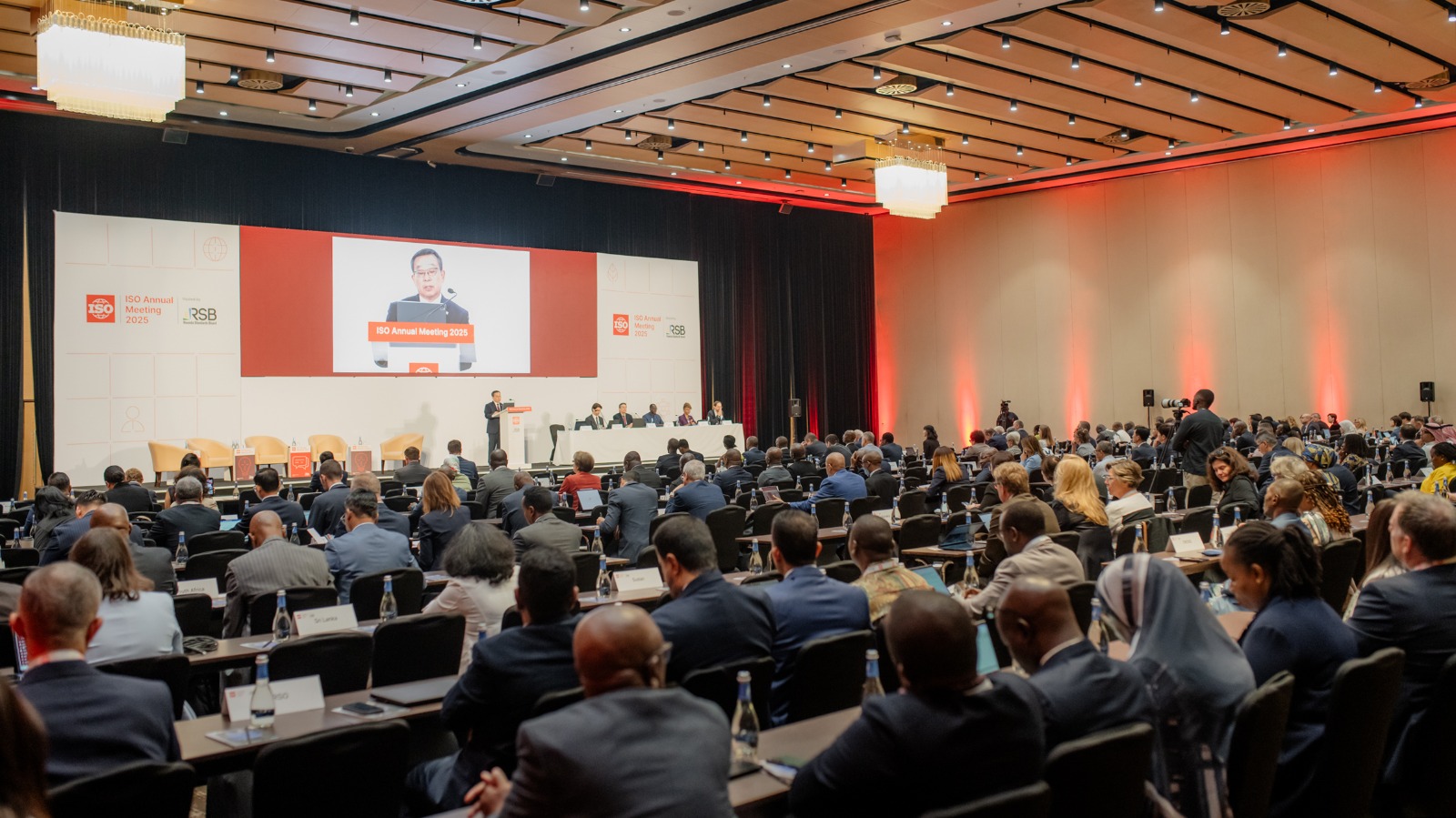
The world’s premier annual event on International Standards unites for global impact this week in Rwanda
Kigali, Rwanda, 6 October 2025 – Thousands will be gathering this week in-person and online for the International Organization for Standardization’s…