The Ministry of Trade and Industry (MINICOM) has launched a series of webinars on the "Made in Rwanda" Policy.

On Friday, November 26th, 2021, the Ministry of Trade and Industry (MINICOM) launched a series of webinars on accelerating implementation of the Made in Rwanda policy as a contribution to job creation, economic development and improved livelihoods.
While opening the webinar, which was attended by representatives of the public, private and non-governmental organizations, the Permanent Secretary in MINICOM, Mr. Yves Bernard Ningabire highlighted that the Made in Rwanda program, launched in 2015, was initially a "campaign" aimed at showcasing Rwandan products, so as to reduce importation of goods that could be produced locally, hence reducing the country’s trade deficit. Mr. Ningabire particularly cited a report by the National Institute of Statistics showing that in September 2021 the trade deficit stood at US $ 223 million compared to US $ 139 million in September last year, adding that the Made in Rwanda program can still play an important role in reducing this gap.
The various speakers at the webinar highlighted the considerable impact that the Made in Rwanda program has had on the economy so far, especially through the development of the industrial sector. Ms. Amina Rwakunda, Chief Economist at the Ministry of Finance and Economic Planning particularly pointed out that between 2010 and 2019, the industrial sector's output increased from 4% per annum (2010 – 2016) to 10.7% per annum (2017 – 2019), which had a positive impact on the Gross Domestic Product (GDP). However, despite this achievement, there are still opportunities in the Made in Rwanda industries for the private sector and for the economy in general. Particularly at a time when the country is facing the effects of the Covid-19 epidemic, the industrial sector has shown resilience compared to other sectors of the economy, with its output rising by 2% in 2020, while sectors such as construction, hospitality, mining, trade and others were in recession. This industrial output has been achieved as a result of efforts put in implementation of the Made in Rwanda policy since 2017. In the short to medium term, the policy is expected to continue to play an important role in tackling the gap that continues to be created by Covid-19, while other sectors will be recovering.
The Made in Rwanda Policy focuses on enhancing the quality and durability of Rwandan products, with a particular attention on increasing investment in agro-processing, light manufacturing products and construction materials, which are also expected to increase decent jobs among Rwandans. The policy also aims at supporting the Made in Rwanda enterprises (especially small and medium-sized enterprises) through various projects aimed at accompanying these enterprises in their activities. Changing the mindset on the use of Rwandan products is another priority under the Policy, from the estimated positive perception of 60% as shown in various reports to 100% in the near future.
In his presentation, Mr. Louis Antoine Muhire, Coordinator of the Made in Rwanda Secretariat at MINICOM, highlighted that while implementation of the Made in Rwanda Policy remains on track with relatively satisfactory performance (in the range of 50% according to initial findings from a Made in Rwanda Policy mid-term evaluation exercise being undertaken), some key challenges still need close attention in order to achieve even better results. These include – among others – access to raw materials, high utility costs, labour shortages, infrastructure deficits, etc.
Mr. Egide Mutabazi, Analyst at the Ministry of Agriculture and Animal Resources (MINAGRI) on his part shared with the audience the particular importance of sector strategies in ensuring success of initiatives such as Made in Rwanda. He briefly unpacked the fourth edition of the Strategic Plan for Agriculture Transformation (PSTA 4) currently being implemented, particularly insisting on the role of technology and innovation in driving the sector’s transformation.
On the other hand, the role of Made in Rwanda industries in creating and maintaining productive and decent jobs for Rwandans cannot be ignored if the country is to achieve the target of 1,500,000 jobs by 2024 from around 800.000 jobs to date, said Mr. Faustin Mwambari, Head of Employment Ecosystem at the Ministry of Labor (MIFOTRA). One of his key recommendations is that public private dialogue platforms should be strengthened for regular interactions on opportunities and challenges that need attention in the Made in Rwanda priority industries, with a particular objective of increasing public and private investments in these important economic sectors.
These webinars will be held in five sessions by May 2022 where each of the pillars of the Made in Rwanda Policy will be discussed in detail. It is expected that participants would benefit from the useful information to be exchanged and would gain significant knowledge on various topics. The outcomes and suggestions from the webinars are also expected to contribute in accelerating the different interventions under the Made in Rwanda Policy by the different implementing institutions.
It is expected that in Summer of 2022, a National High-level Dialogue on Made in Rwanda would be organised to discuss about – among other activities – the outcomes from the five webinars, but also from other ongoing discussions on Made in Rwanda across the country. The conclusions from the National Dialogue would aim at sustaining the achievements registered so far as well as at closing the gaps that still exist, leading to even more successes of the Made in Rwanda program.
Topics

Rwanda to Host 26th EAC MSMEs Trade Fair in Kigali
Rwanda will host the 26th East African Community (EAC) Micro, Small and Medium Enterprises (MSMEs) Trade Fair from 30 October to 8 November 2026 at…
Industrial Output Rises by 6.8% in August 2026
Rwanda’s formal sector industrial output increased by 6.8% in August 2026 compared with the same month in 2025, while the annual average growth rate…
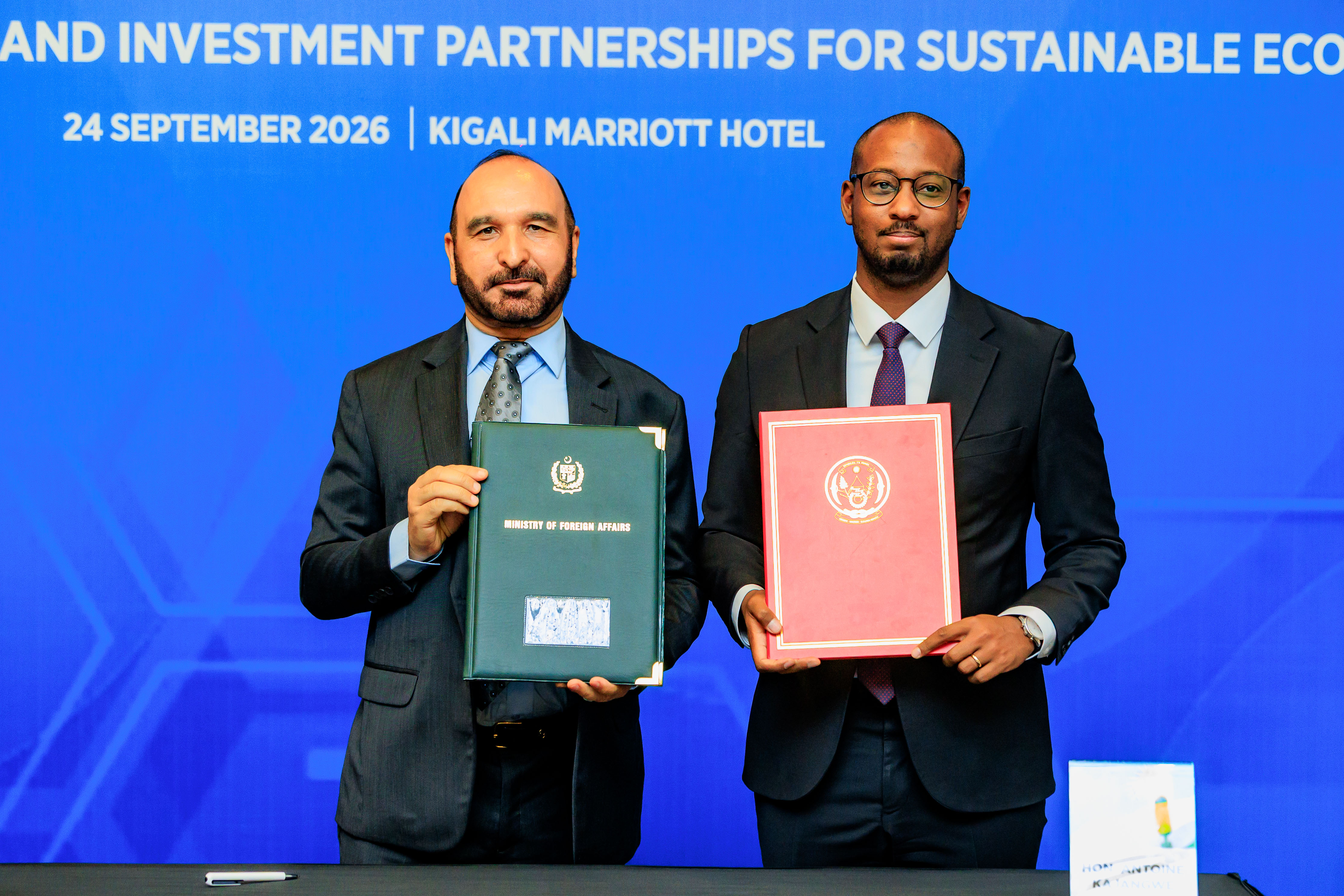
Rwanda and Pakistan Advance Trade and Investment Cooperation at Investment Forum in Kigal
Kigali, 24 September 2026 – Government officials, business leaders and investors from Rwanda and Pakistan convened in Kigali today for the…

Rwandan MSMEs Showcase Made in Rwanda Products at FACIM 2026
Rwandan micro, small and medium enterprises (MSMEs) are showcasing Made in Rwanda products and exploring new business opportunities at the 61st…
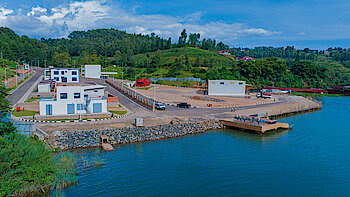
RUSIZI PORT NEARS COMPLETION, SET TO BOOST TRADE, CONNECTIVITY AND ECONOMIC GROWTH
The construction of Rusizi Port has reached 97.5 percent completion, marking a significant milestone in Rwanda’s efforts to strengthen transport…
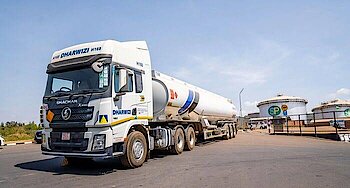
RNEC AND GBP SIGN AGREEMENT TO FACILITATE BULK PETROLEUM IMPORTS
Today, 03 July 2026, the Rwanda National Energy Company (RNEC) and Gulf Bulk Petroleum Tanzania Limited (GBP) signed an agreement to facilitate the…

Rwanda and Kenya Strengthen Strategic Partnership to Enhance Petroleum Supply Security
The Government of the Republic of Rwanda and the Government of the Republic of Kenya today, 29 June 2026, signed a Memorandum of Understanding (MoU)…
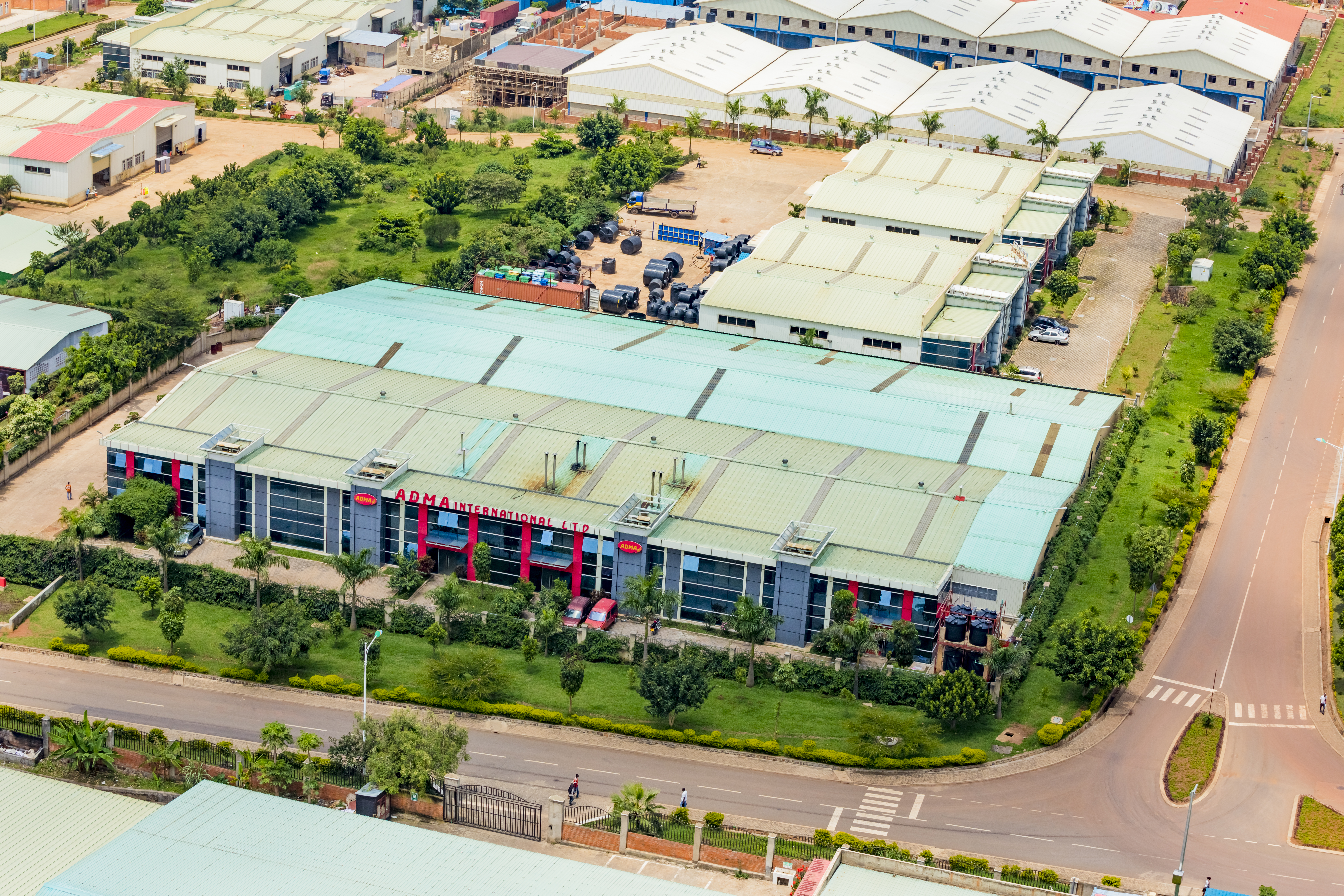
Industrial Output Records Strong Growth in November 2025
Formal sector industrial output increased by 10.3% in November 2025 compared to November 2024, while the annual average growth rate stood at 6.3%.…
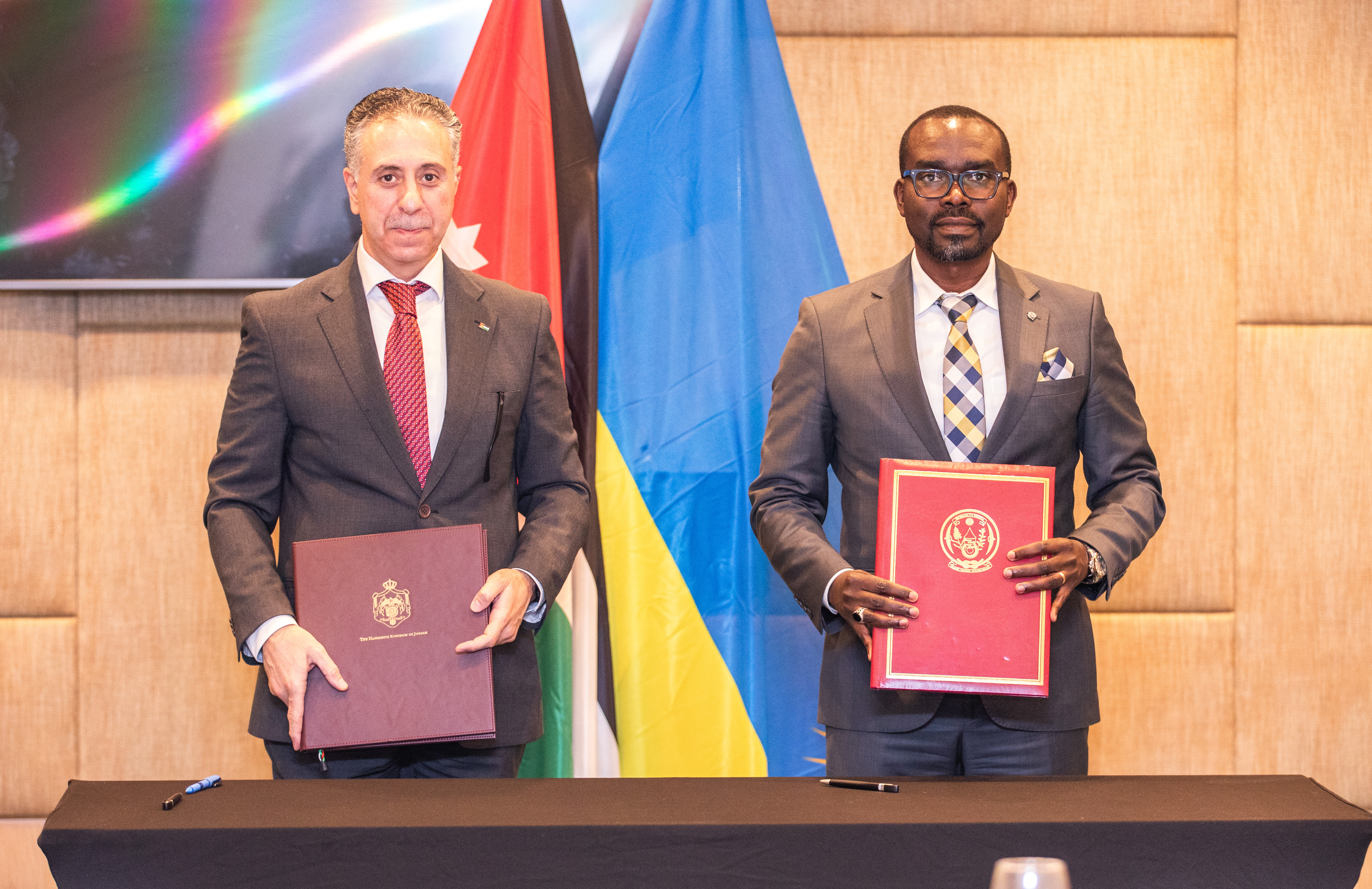
Rwanda and Jordan Sign Memoranda of Understanding to Enhance Cooperation
The Rwanda–Jordan Joint Trade Committee Meeting, held from 8–9 October 2025, concluded with the signing of several Memoranda of Understanding aimed at…