Government stakeholders meet and pledge accelerated efforts for joint delivery on the Made in Rwanda Agenda
Kigali, July 2021. During a 3-day workshop organized by the Ministry of Trade and Industry (MINICOM), whose main objective was to exchange knowledge and experience on the Made in Rwanda (MiR) Program while prioritizing interventions going forward, the acting Chief Technical Officer at the Ministry of Trade and Industry (MINICOM) emphasized – on behalf of the Honorable Minister of Trade and Industry – the importance of the MiR Policy – adopted in 2018 – for the country’s economic growth and social transformation, further noting that joint efforts are even needed more than ever before in order to recover from the ravaging COVID-19 pandemic that Rwanda – and the world in general – is currently facing. He called for strengthened collaboration in delivering on the MiR Policy’s priorities, particularly in the new financial year 2021-2022.
Rwanda has been quite successful in supporting structural change - the movement of economic resources out of agriculture into more productive sectors (industry and services). However, aggregate productivity growth, although rapid, lags fast-growing comparators primarily because efforts to promote within-sector productivity growth still need to be accelerated. There still needs to be a renewed focus on supporting reallocations of economic resources within sectors, from low productivity firms to higher productivity firms. The overarching aim of industrial policy should be to support rapid and sustained increases in aggregate productivity, driven by a combination of structural change and within-sector productivity growth.[1]
In this regard, the Government of Rwanda (GoR) adopted the Made in Rwanda Policy (MiR Policy)[2] in 2018 to reduce the trade deficit and increase job creation by promoting exports, boosting local production and by stimulating sustainable demand for competitive value-added products. This would be achieved by addressing factors constraining quality and cost competitiveness of those products. MINICOM leads the implementation of this policy and five pillars have been prioritized: Sector Specific Strategies; Reducing the Cost of Production; Improving Quality; Promoting Backward Linkages; and Mind-Set Change.
It is in this regard that MINICOM organized on 28-30 June 2021 a workshop that brought together participants from key government institutions involved in implementing the MiR Policy to exchange knowledge and experience on MiR interventions to date and to identify key priorities going forward, particularly for the financial year 2021-2022.
The first day of the workshop was dedicated to open and very interactive discussions in a form of knowledge exchange and information/experience sharing on MiR from its definition, achievements registered so far in implementing the MiR Policy, as well as gaps that still need to be closed towards achieving the Policy goals. Some useful lessons were also shared and discussed as stakeholders look forward to implementing future priorities.
The next two days were dedicated to intensive work of the participants on prioritizing interventions for 2021-2022. From a long list of 33 identified interventions across the five pillars of the MiR Policy, 15 priorities were retained for close attention under a solid Monitoring & Evaluation framework that was also discussed and agreed upon, supported by some key tools such as a MiR portal for information sharing and reporting. However, stakeholders were also encouraged to put enough efforts in undertaking the remaining – equally important – activities.
Five major take-away messages were highlighted at the workshop:
- The MiR Program remains a flagship initiative for Rwanda.
- Strengthened awareness on MiR is critical and needs to be strengthened.
- MiR major issues & priority interventions as highlighted in the Policy need very close attention and acted upon.
- Capacities of MiR stakeholders need to be strengthened on MiR priority sector strategies.
- Proper and stronger planning and M&E cannot be overemphasized for successful delivery on the MiR program.
The workshop was concluded with firm commitments by MINICOM (as MiR Lead Institution) and by the other stakeholders to take full ownership of the MiR agenda, by particularly contributing in strengthening awareness on its importance within government (both central and local) and with other stakeholders (private sector, development partners, civil society). Participants were encouraged to use several communications means for awareness and sensitisation campaigns (traditional media – TV, radio; social media; etc).
The Acting Chief Technical Officer of MINICOM closed the workshop – on behalf of the Honorable Minister of Trade and Industry – by calling upon all participants to put all necessary efforts in successfully implementing the produced priorities plan for FY 2021-2022 and encouraged the formed – in the course of the workshop – “MiR Team” to regularly exchange information on progress being made, while supporting each other on responsibilities of individual institutions.
-END-
[1] www.theigc.org/wp-content/uploads/2018/11/Shepherd-Twum-2018-Final-report.pdf
[2] rwandatrade.rw/media/2017%20MINICOM%20Made%20in%20Rwanda%20Policy%20(1).pdf
Topics
Industrial Output Rises by 6.8% in August 2026
Rwanda’s formal sector industrial output increased by 6.8% in August 2026 compared with the same month in 2025, while the annual average growth rate…
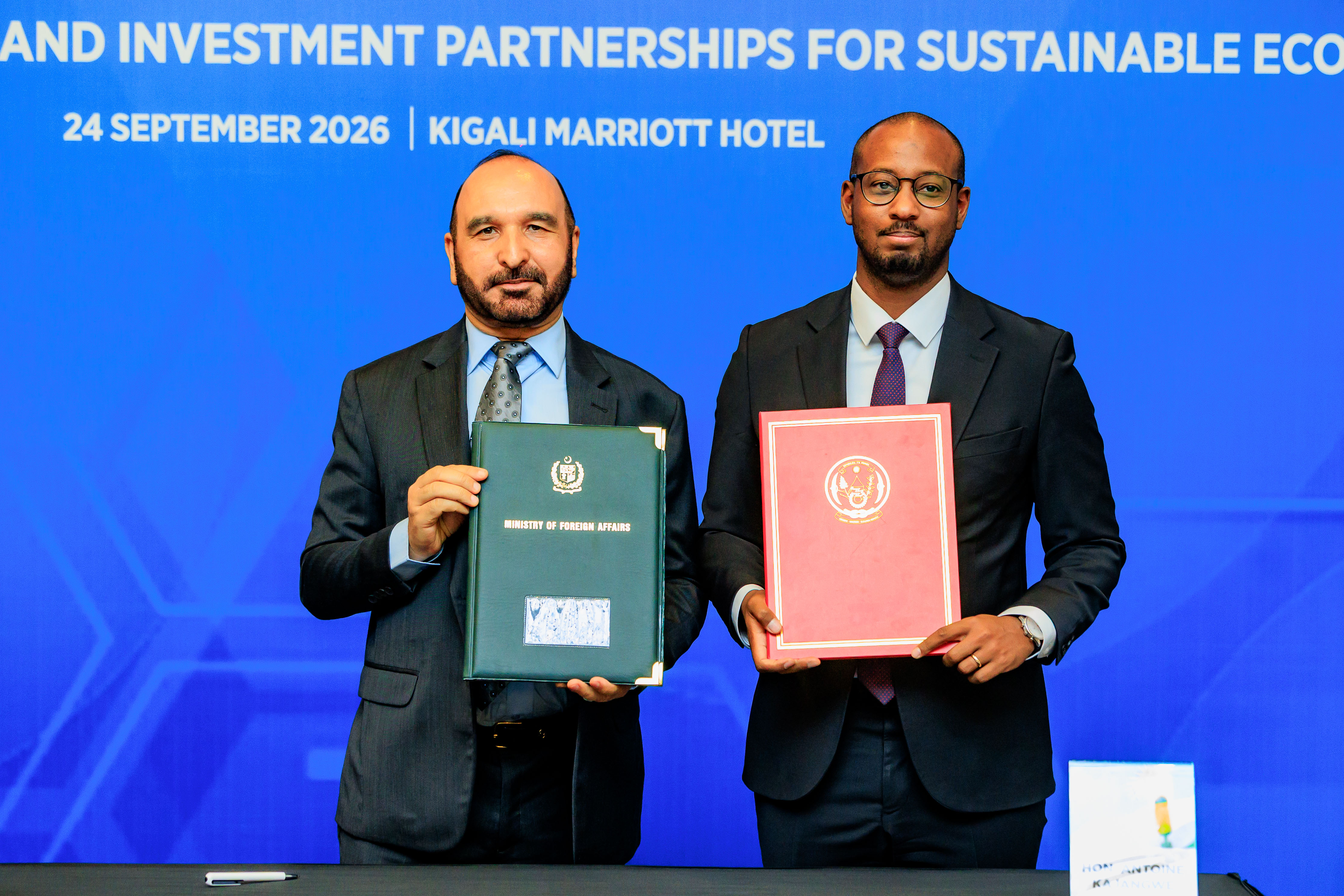
Rwanda and Pakistan Advance Trade and Investment Cooperation at Investment Forum in Kigal
Kigali, 24 September 2026 – Government officials, business leaders and investors from Rwanda and Pakistan convened in Kigali today for the…

Rwandan MSMEs Showcase Made in Rwanda Products at FACIM 2026
Rwandan micro, small and medium enterprises (MSMEs) are showcasing Made in Rwanda products and exploring new business opportunities at the 61st…
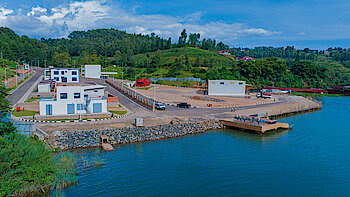
RUSIZI PORT NEARS COMPLETION, SET TO BOOST TRADE, CONNECTIVITY AND ECONOMIC GROWTH
The construction of Rusizi Port has reached 97.5 percent completion, marking a significant milestone in Rwanda’s efforts to strengthen transport…
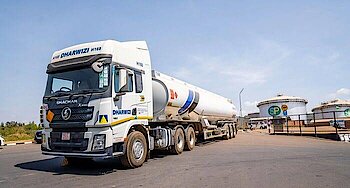
RNEC AND GBP SIGN AGREEMENT TO FACILITATE BULK PETROLEUM IMPORTS
Today, 03 July 2026, the Rwanda National Energy Company (RNEC) and Gulf Bulk Petroleum Tanzania Limited (GBP) signed an agreement to facilitate the…

Rwanda and Kenya Strengthen Strategic Partnership to Enhance Petroleum Supply Security
The Government of the Republic of Rwanda and the Government of the Republic of Kenya today, 29 June 2026, signed a Memorandum of Understanding (MoU)…
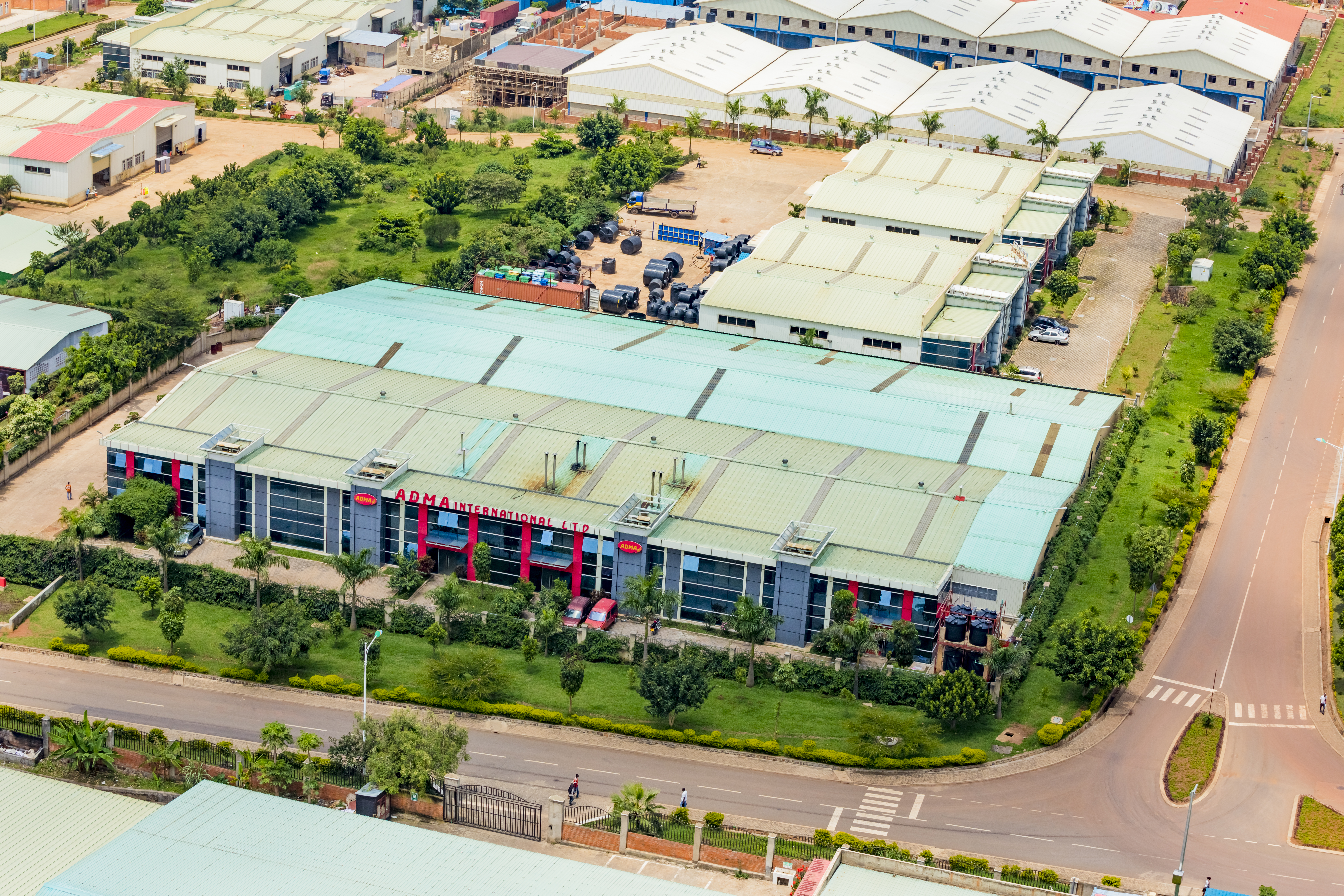
Industrial Output Records Strong Growth in November 2025
Formal sector industrial output increased by 10.3% in November 2025 compared to November 2024, while the annual average growth rate stood at 6.3%.…
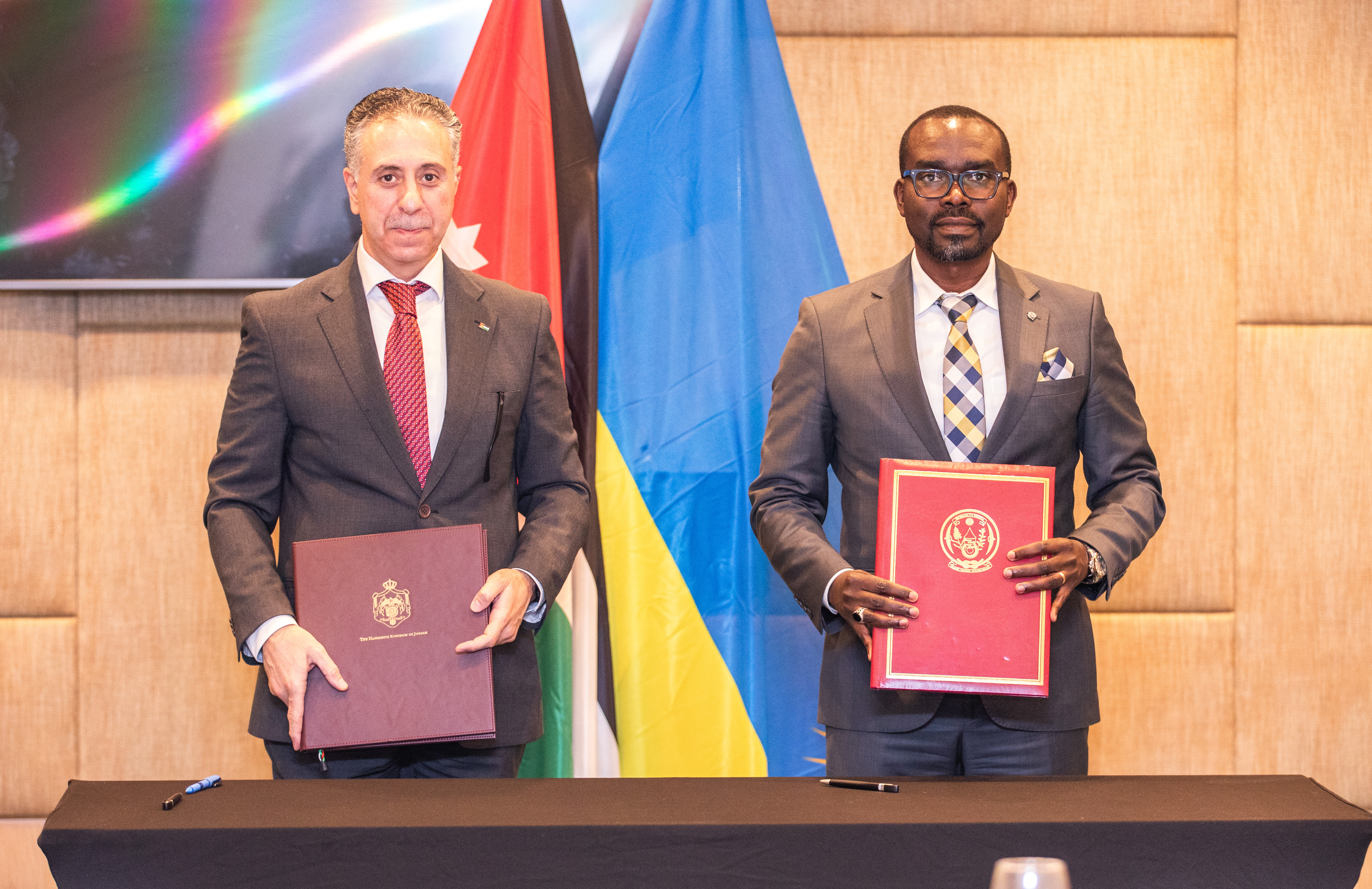
Rwanda and Jordan Sign Memoranda of Understanding to Enhance Cooperation
The Rwanda–Jordan Joint Trade Committee Meeting, held from 8–9 October 2025, concluded with the signing of several Memoranda of Understanding aimed at…
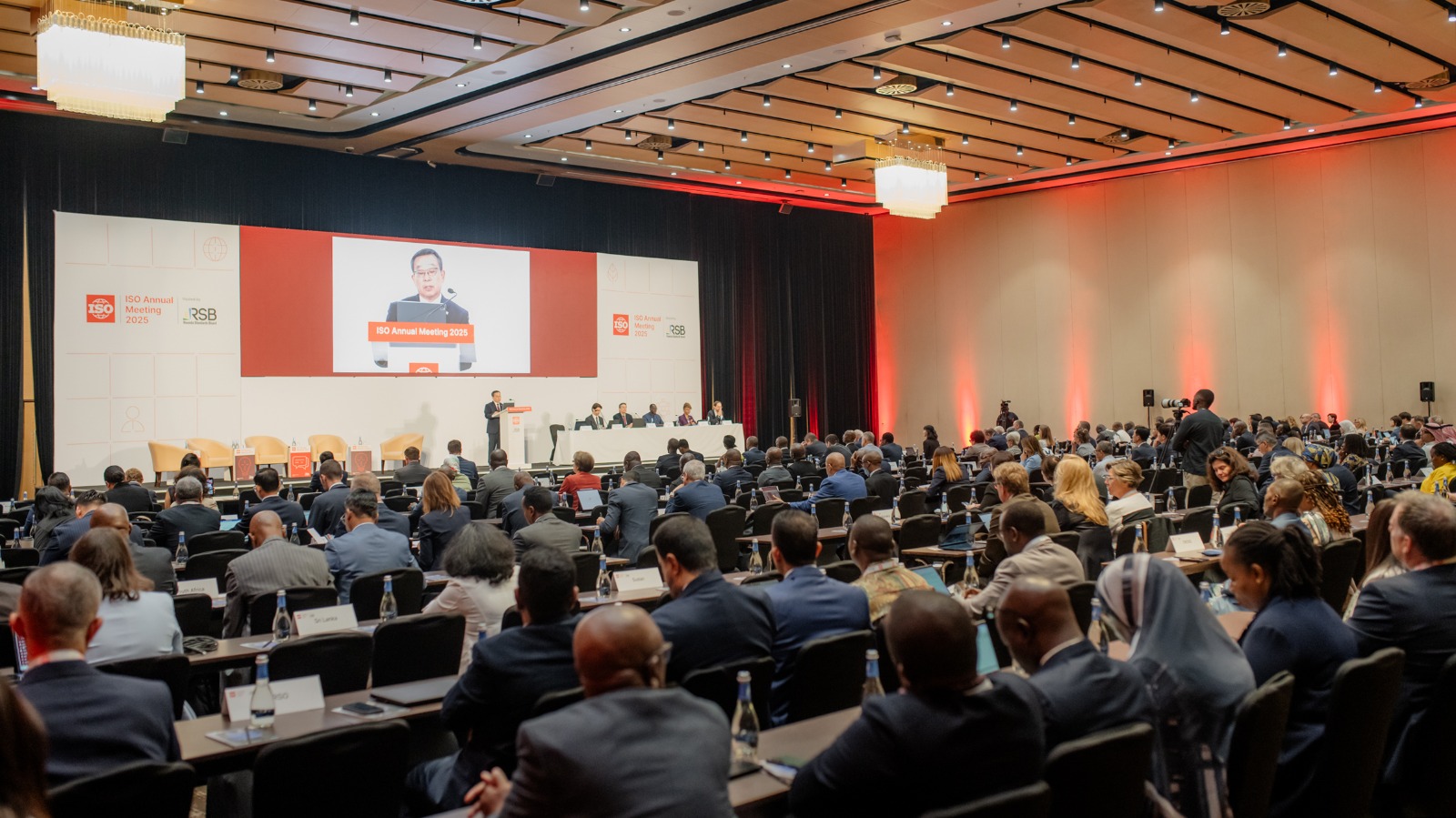
The world’s premier annual event on International Standards unites for global impact this week in Rwanda
Kigali, Rwanda, 6 October 2025 – Thousands will be gathering this week in-person and online for the International Organization for Standardization’s…