Focus on supporting SMEs – President Kagame tells African leaders
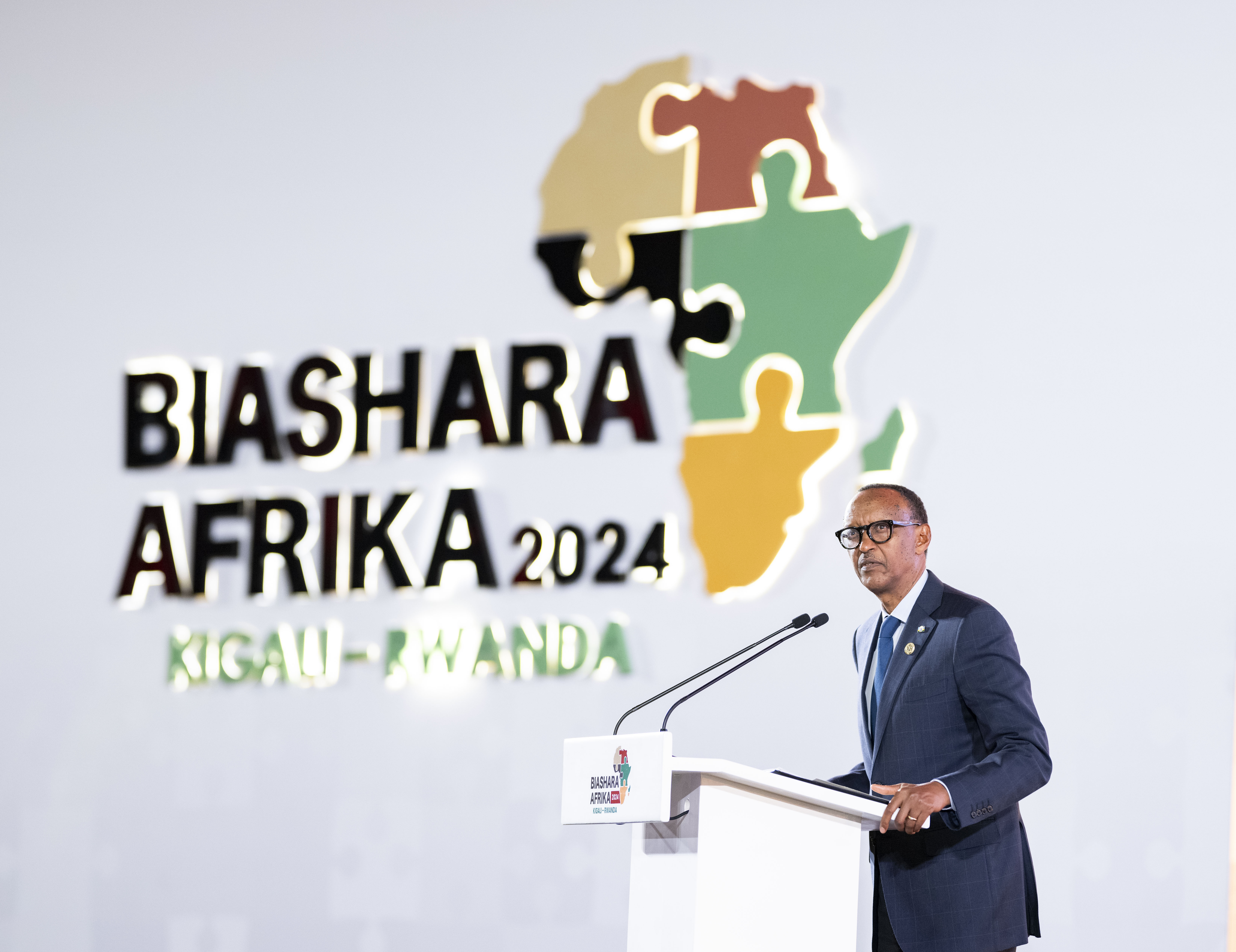
President Paul Kagame on October 9 said that supporting Small and Medium Enterprises (SMEs) should be the focus of African governments as they take on the implementation of the African Continental Free Trade Area (AfCFTA). This, according to him, is because small businesses owned by women and young people are the backbone of Africa’s economy.
Kagame made the remarks at the official opening of Biashara Afrika 2024, a three-day forum themed “Dare to Invent the Future of the AfCFTA”, which focuses on the challenges and opportunities in the process of building regional and continental value chains and establishing reliable supply chain networks.
He commended the milestones already achieved in the operationalization of the continental trade agreement which is a testament that Africa is capable of coming together to solve its problems.
However, he noted that governments need to continue doing their part to create an enabling environment for business, remove non-tariff barriers, facilitate cross-border movement, and reduce flight and logistics costs which remain the highest in the world.
He said: “The focus should be on supporting SMEs because these businesses and the women and young people that own them are the backbone of Africa’s economy but they shouldn’t remain small and medium, they need to grow.”
According to him, fast-tracking means fixing politics and governance systems by setting the right mindset and clarity of vision. For instance, he said that the first thing that comes to mind when talking about low intra-African trade is the movement of people which remains a challenge on the continent.
“We agree we are brothers and sisters, a people that have the same needs but, in the end, there is a lack of this freedom to move freely across borders, some people don’t move freely within their own borders, and it is all about politics. It can be fixed and we must fix it.”
The Head of State emphasized that there are opportunities in this complex and ever-changing world that the continent should take advantage of, and this depends on the strong connection and value added to the collective wealth.
“The good news is that integration in Africa is ongoing and we can see positive results already but we can do more and go faster,” he said while pointing at Rwanda’s participation in the Guided Trade Initiative that saw countries start trading amongst themselves under the AfCFTA.
Building a single continent market does not happen overnight, he said, a lot of progress have been made but the road is still long, “even in the face of challenges we need to be consistent and think outside the box.”
Wamklele Mene, the Secretary General of the AfCFTA Secretariat, said that the commissioning meaningful trade under the preferences of the AfCFTA is happening, however, the volume remains modest.
He noted that there are still pressing challenges including the cost of trade finance continues to be high, excluding millions from the market, infrastructure that continues to constrain enhanced trade flows, over-reliance on imports of pharmaceuticals, cost of transport and logistics, and lack of progress in achieving free movement of persons in Africa, among others.
“We must not step back from the task because it appears too big.”
As of now, 48 countries have ratified the agreement, and negotiations of all protocols have been concluded and adopted.
Under the Guided Trade Initiative which started in October 2022, eight countries have traded amongst themselves and the number is expected to increase to 39 by the end of this year.
Monique Nsazabaganwa, the Deputy Chairperson of African Union Commission, urged the public and private sectors including the financial institutions to align their priorities, grow synergies, foster innovations and ensure inclusivity and sustainability.
“AfCFTA is a beacon of hope poised to transform Africa into an economic powerhouse,” she said, adding that this single market has tremendous potential to create wealth while unlocking industrialization on the continent but leaders must enhance the private sector’s role and create a conducive environment for youth and women-based enterprises to achieve this.
By The New Times
Topics

Rwanda to Host 26th EAC MSMEs Trade Fair in Kigali
Rwanda will host the 26th East African Community (EAC) Micro, Small and Medium Enterprises (MSMEs) Trade Fair from 30 October to 8 November 2026 at…
Industrial Output Rises by 6.8% in August 2026
Rwanda’s formal sector industrial output increased by 6.8% in August 2026 compared with the same month in 2025, while the annual average growth rate…
Rwanda and Pakistan Advance Trade and Investment Cooperation at Investment Forum in Kigal
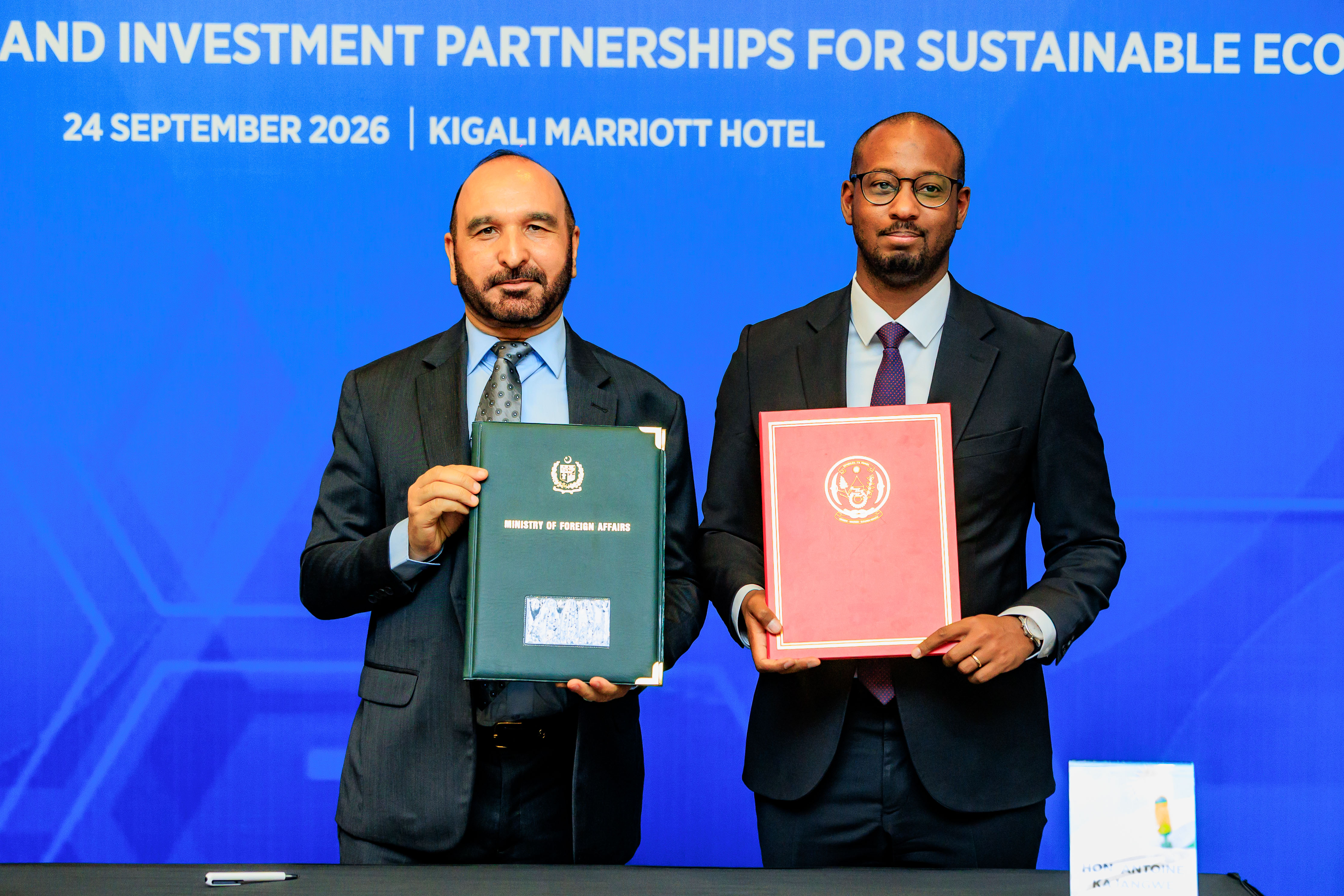
Kigali, 24 September 2026 – Government officials, business leaders and investors from Rwanda and Pakistan convened in Kigali today for the…

Rwandan MSMEs Showcase Made in Rwanda Products at FACIM 2026
Rwandan micro, small and medium enterprises (MSMEs) are showcasing Made in Rwanda products and exploring new business opportunities at the 61st…
RUSIZI PORT NEARS COMPLETION, SET TO BOOST TRADE, CONNECTIVITY AND ECONOMIC GROWTH
The construction of Rusizi Port has reached 97.5 percent completion, marking a significant milestone in Rwanda’s efforts to strengthen transport…
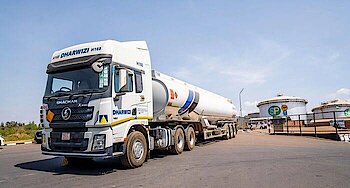
RNEC AND GBP SIGN AGREEMENT TO FACILITATE BULK PETROLEUM IMPORTS
Today, 03 July 2026, the Rwanda National Energy Company (RNEC) and Gulf Bulk Petroleum Tanzania Limited (GBP) signed an agreement to facilitate the…

Rwanda and Kenya Strengthen Strategic Partnership to Enhance Petroleum Supply Security
The Government of the Republic of Rwanda and the Government of the Republic of Kenya today, 29 June 2026, signed a Memorandum of Understanding (MoU)…
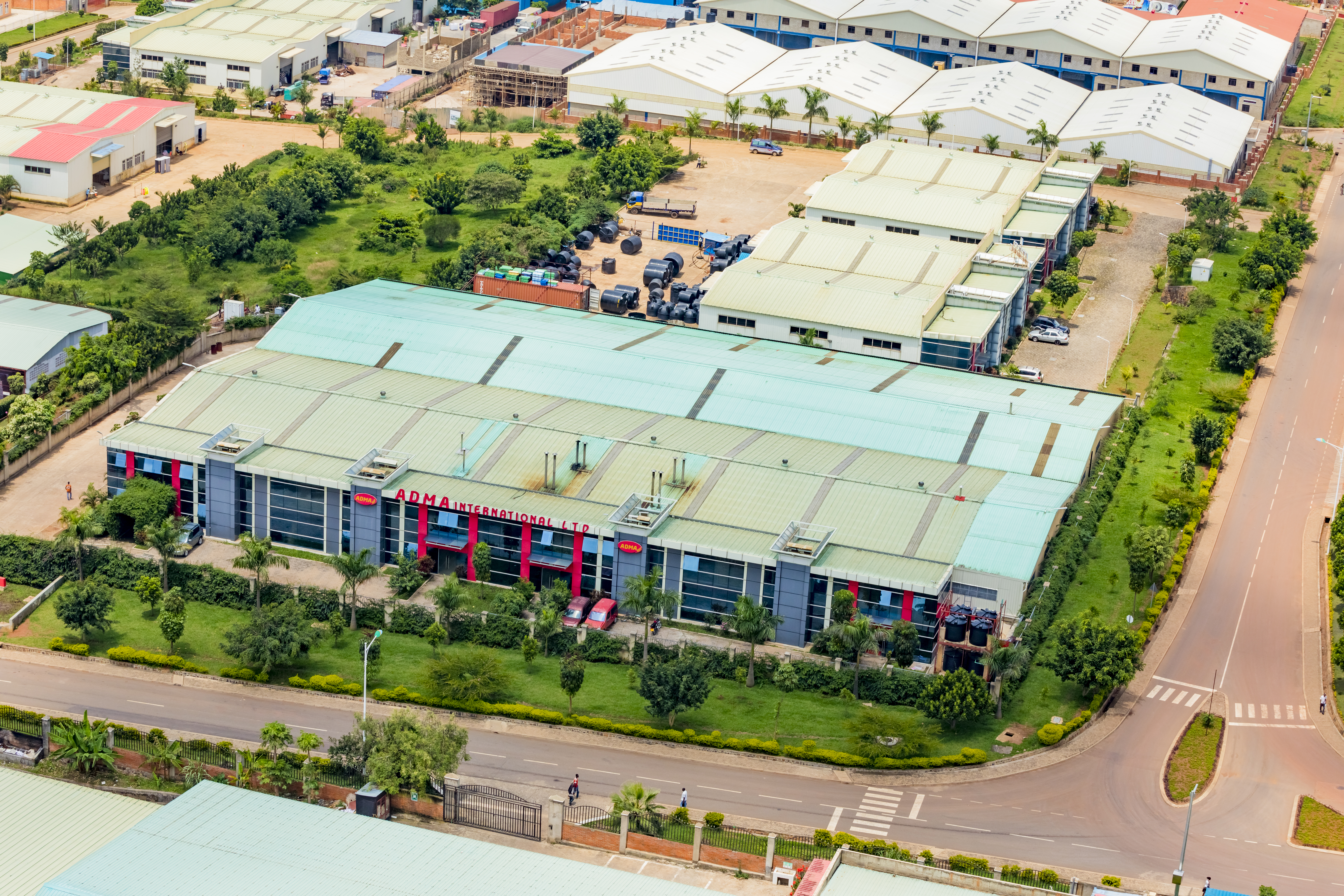
Industrial Output Records Strong Growth in November 2025
Formal sector industrial output increased by 10.3% in November 2025 compared to November 2024, while the annual average growth rate stood at 6.3%.…
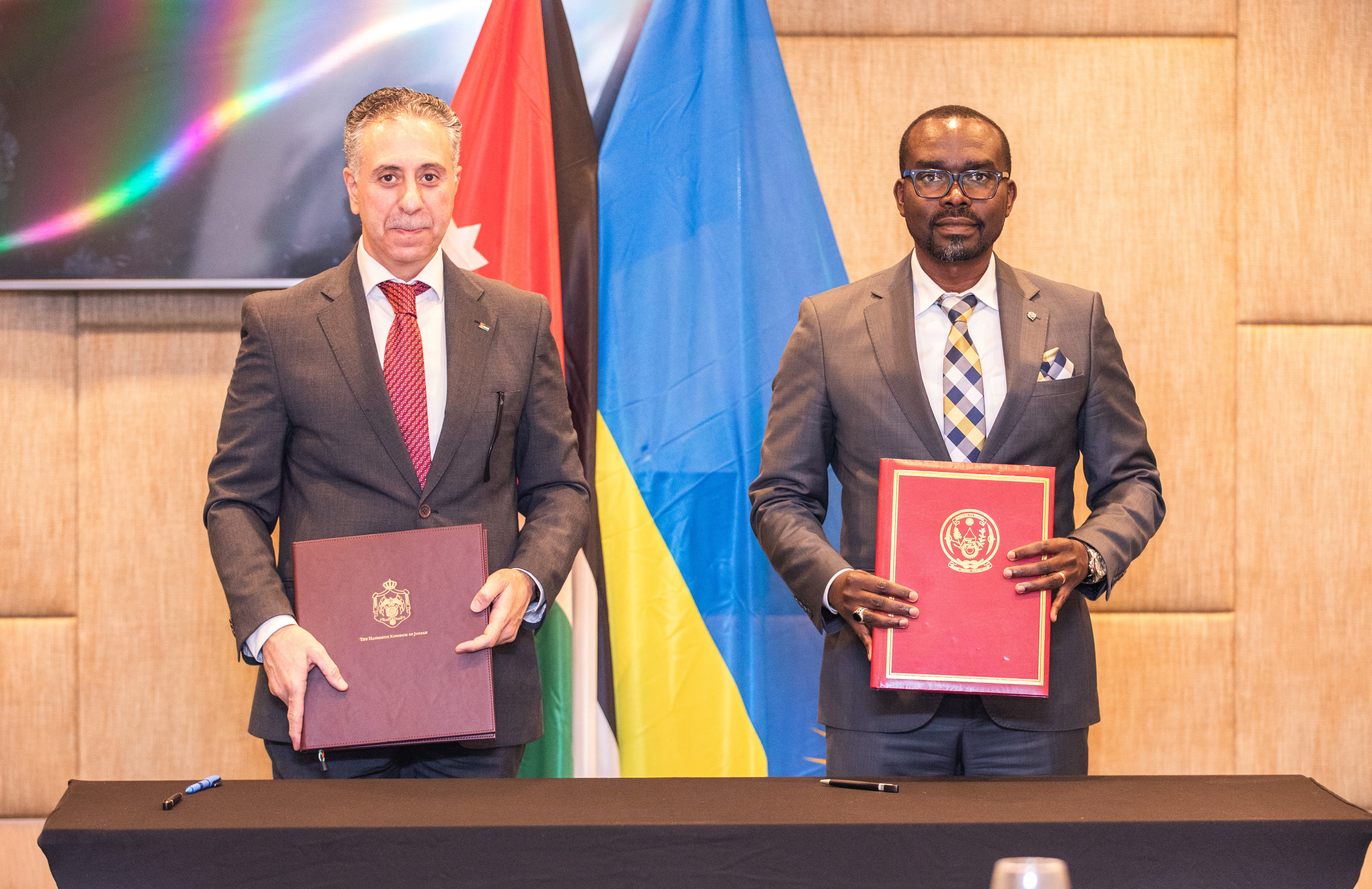
Rwanda and Jordan Sign Memoranda of Understanding to Enhance Cooperation
The Rwanda–Jordan Joint Trade Committee Meeting, held from 8–9 October 2025, concluded with the signing of several Memoranda of Understanding aimed at…