Digital technologies could unlock Africa's trade potential, says Ngirente

Investment in Africa's digital and technological capabilities is necessary to unlock the continent's trade potential and accelerate economic growth, Prime Minister Edouard Ngirente said on Monday, December 2, as he opened the Africa Trade Development Forum in Kigali.
Achieving this vision requires countries to adapt to the rapidly evolving trade landscape shaped by emerging technologies, Ngirente said, adding that enabling free movement of people, goods, and services is crucial to unlocking the full potential of intra-African trade.
“Leveraging digital technologies is critical. Removing non-tariff barriers and facilitating seamless cross-border movement will not only create new opportunities for businesses but also address key trade-related challenges across the continent,” he said.
“This potential requires that our countries advance the use of digital innovation in trade operations. Doing so will not only facilitate connections between producers and consumers but also boost growth and create opportunities for better jobs.”
Ngirente noted that achieving this ambitious vision would require significant investments in scaling up energy and digital infrastructure, easing electronic cross-border payments, and improving customs and logistics systems.
Studies show that improving digital connectivity, combined with a supportive regulatory framework, could reduce trade costs by as much as 25 percent, Ngirente told delegates at the two-day event co-hosted by the Rwandan government and TradeMark Africa.
The Prime Minister also emphasized the transformative role of the African Continental Free Trade Area (AfCFTA) and its digital trade protocol in integrating regional economies, increasing connectivity, reducing barriers, and driving economic growth.
The forum held under the theme, “Unlocking Africa’s Trade Potential Through Digital Innovation,” focused on the role of technology in empowering businesses, connecting markets, and fostering inclusive economic growth.
“Digital trade offers unique benefits, particularly by lowering barriers to entry for micro, small, and medium-sized enterprises and connecting them to global markets,” he said.
Highlighting Rwanda’s commitment to digital trade, he noted initiatives such as the e-Single Window, which streamlines trade processes, and the Irembo platform, which digitizes government services.
“These initiatives have improved the efficiency and effectiveness of public administration and service delivery to both citizens and businesses,” Ngirente said.
“We are also promoting digital literacy, e-governance, and sector-specific digital solutions to increase production, foster sustainable economic growth, and strengthen regional integration.
“For Rwanda, the journey towards fostering a digital trade ecosystem is not yet over. From promoting paperless trade corridors to leveraging advanced technologies in customs operations, we have realized how innovation can drive efficiency and reduce trade costs.”
The Prime Minister called for greater collaboration between governments and private sector players to drive regional integration and economic growth.
“By leveraging digital technologies, we can advance trade facilitation and maximize the benefits of the Continental Free Trade Area. Trade should not just be a transaction but a transformative force for development,” he said.
Topics
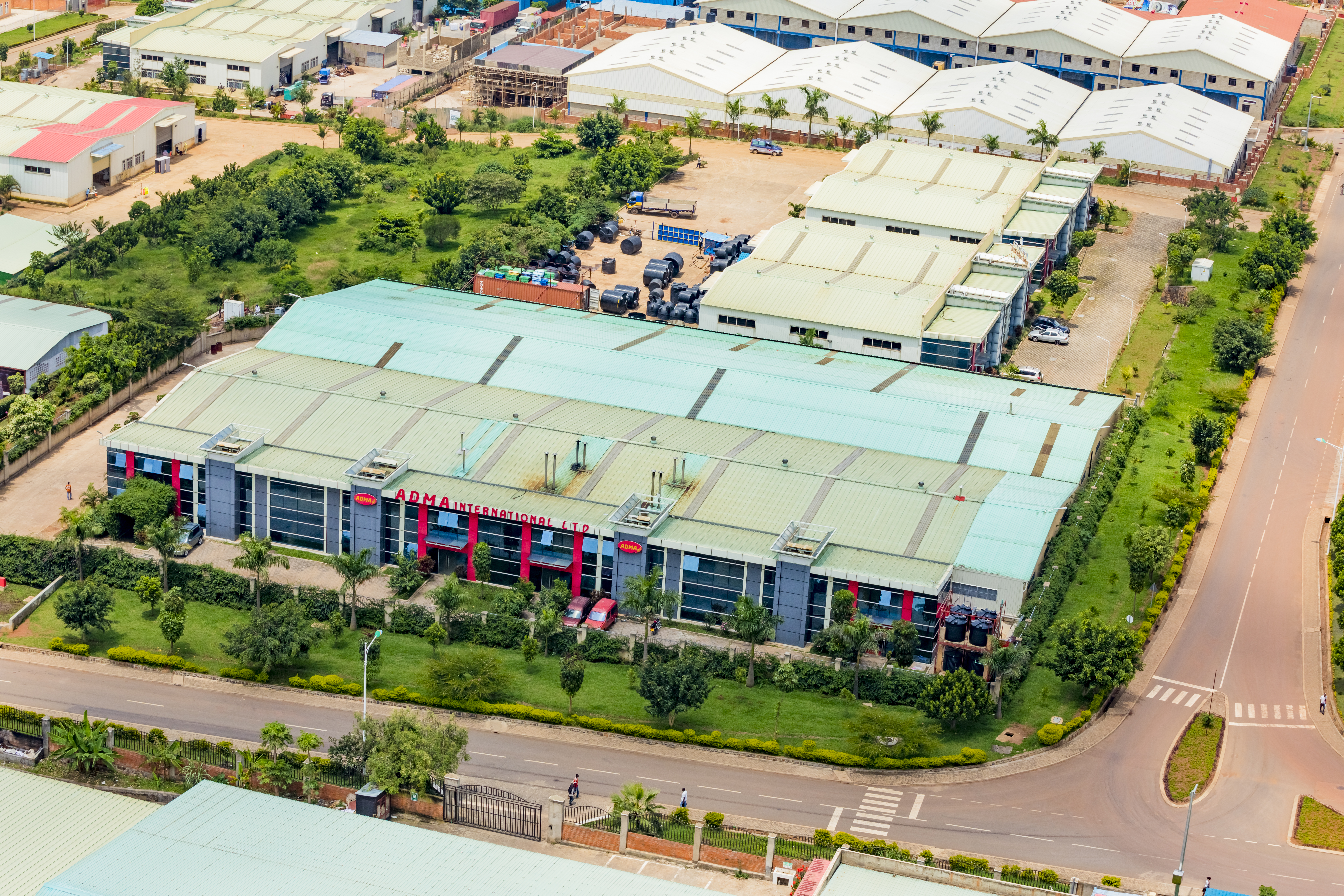
Industrial Output Records Strong Growth in November 2025
Formal sector industrial output increased by 10.3% in November 2025 compared to November 2024, while the annual average growth rate stood at 6.3%.…

Rwanda and Jordan Sign Memoranda of Understanding to Enhance Cooperation
The Rwanda–Jordan Joint Trade Committee Meeting, held from 8–9 October 2025, concluded with the signing of several Memoranda of Understanding aimed at…

The world’s premier annual event on International Standards unites for global impact this week in Rwanda
Kigali, Rwanda, 6 October 2025 – Thousands will be gathering this week in-person and online for the International Organization for Standardization’s…
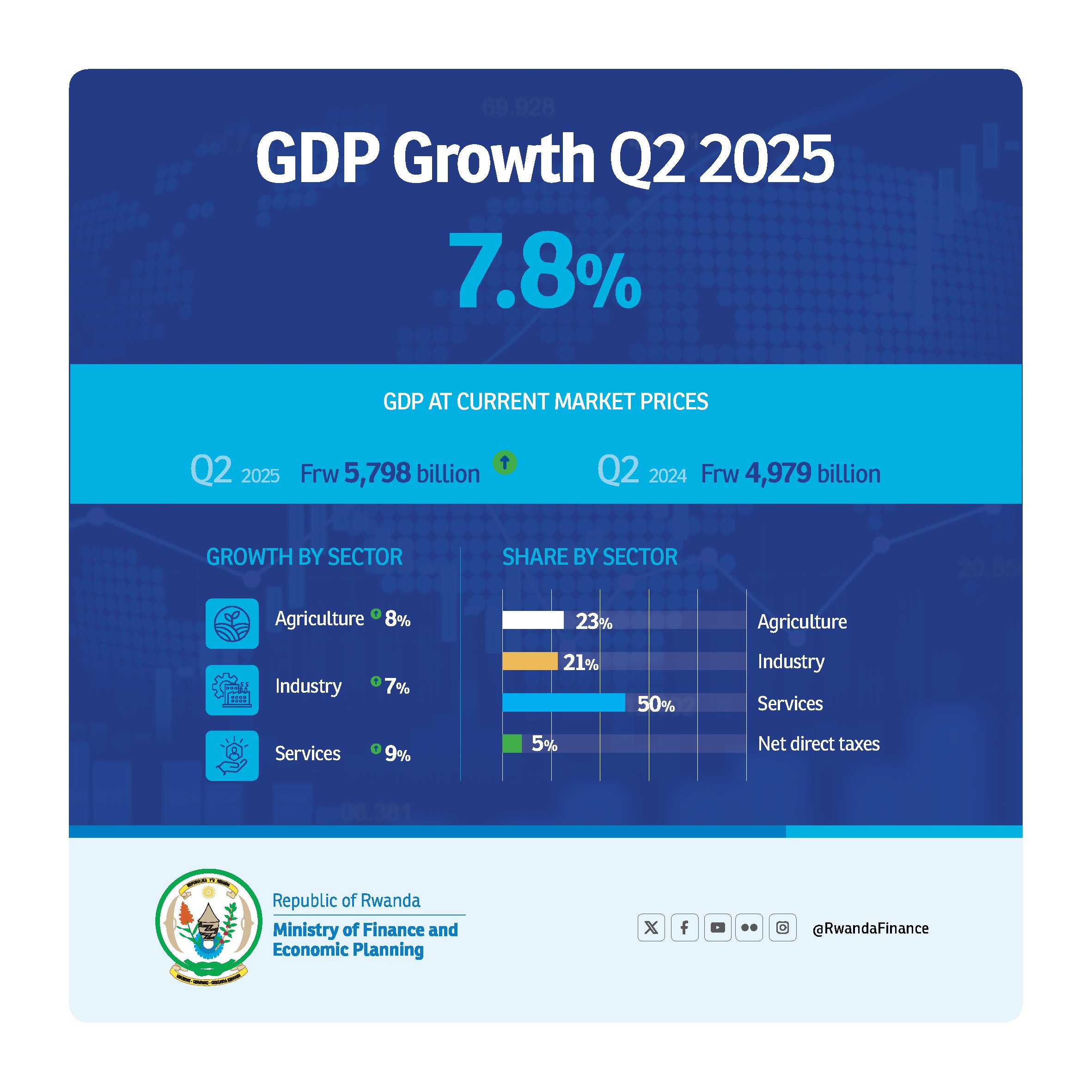
Industry Maintains Strong Contribution to Rwanda’s Q2 2025 Economy
The industry sector continued to play a central role in Rwanda’s economy in the second quarter of 2025, contributing 21% of GDP and recording a 7%…
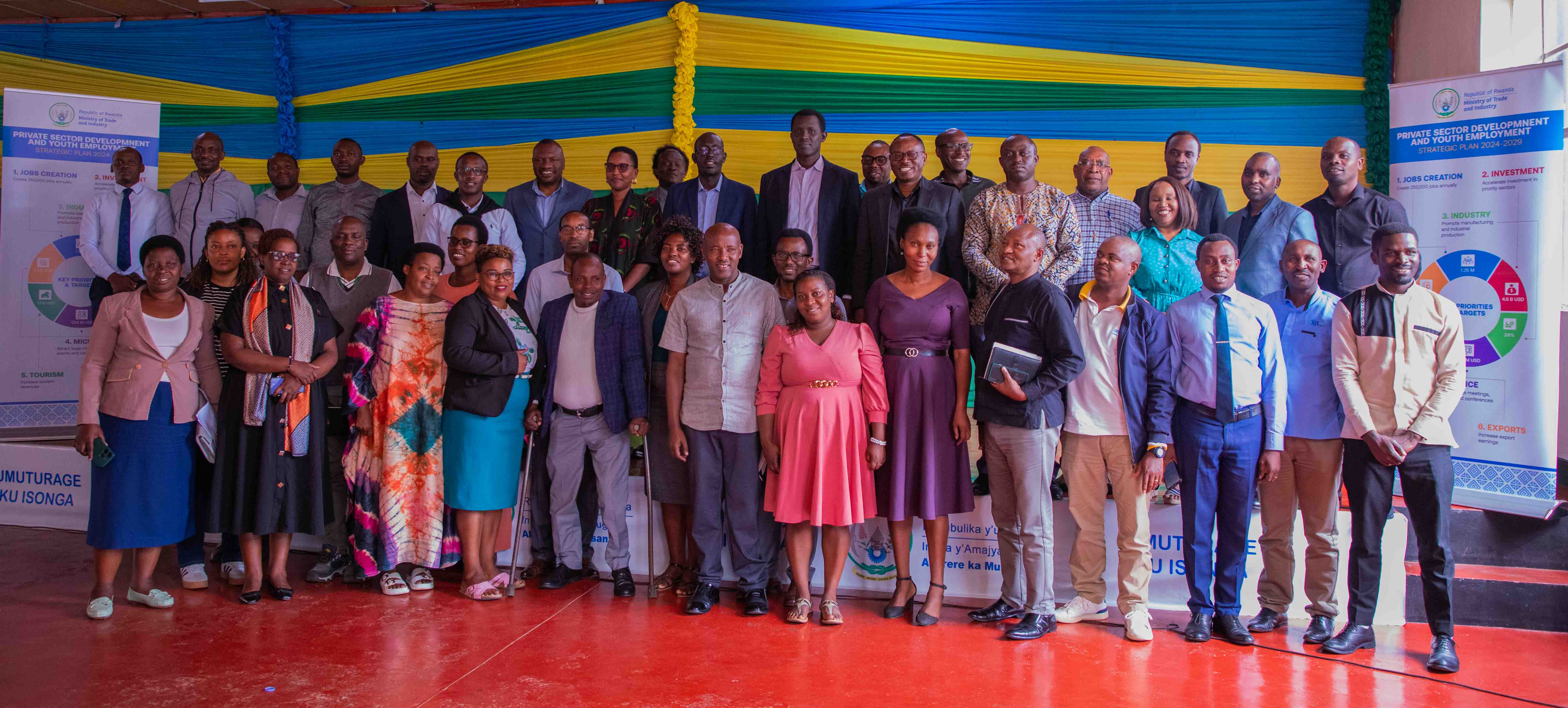
MINICOM rolls out nationwide PSDYE strategy dissemination campaign
The Ministry of Trade and Industry, together with the Ministry of Public Service and Labour, Ministry of Finance and Economic Planning, Rwanda…
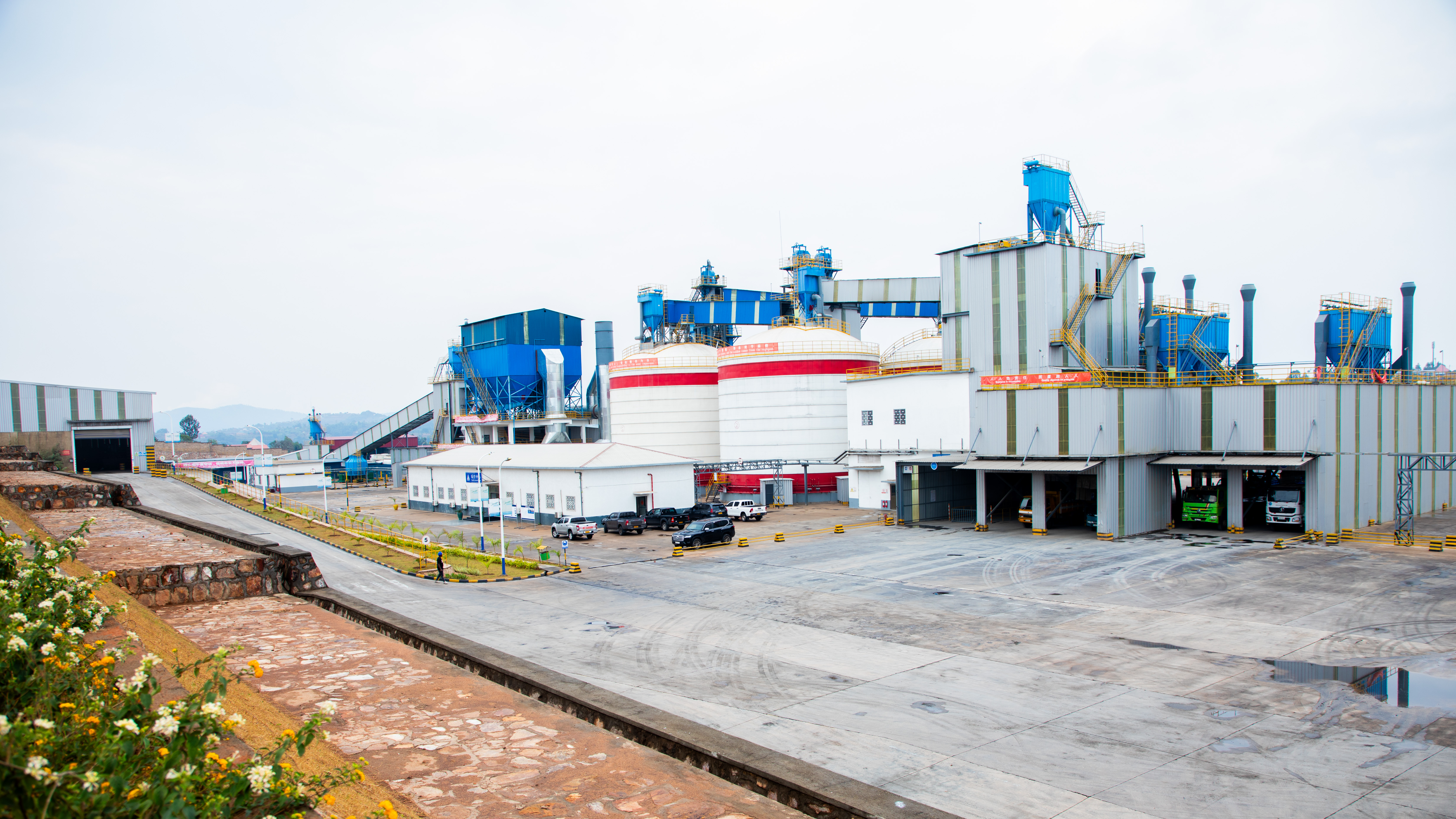
RWF10 BILLION BOOST FOR FOUR KEY INDUSTRIAL PARKS
The Government of Rwanda will invest Rwf10 billion in four priority industrial parks during the 2025–2026 fiscal year to clear the land and the…
Industrial Output Rises by 3.7% in May
Rwanda’s formal industrial sector recorded a 3.7% increase in output in May 2025 compared to the same month in 2024, according to the latest data from…

Liberation no longer historical milestone, but lived reality – Minister Sebahizi
Liberation is no longer just a chapter in Rwanda’s history, it is a lived reality reflected in the country’s resilience, discipline, and steady…
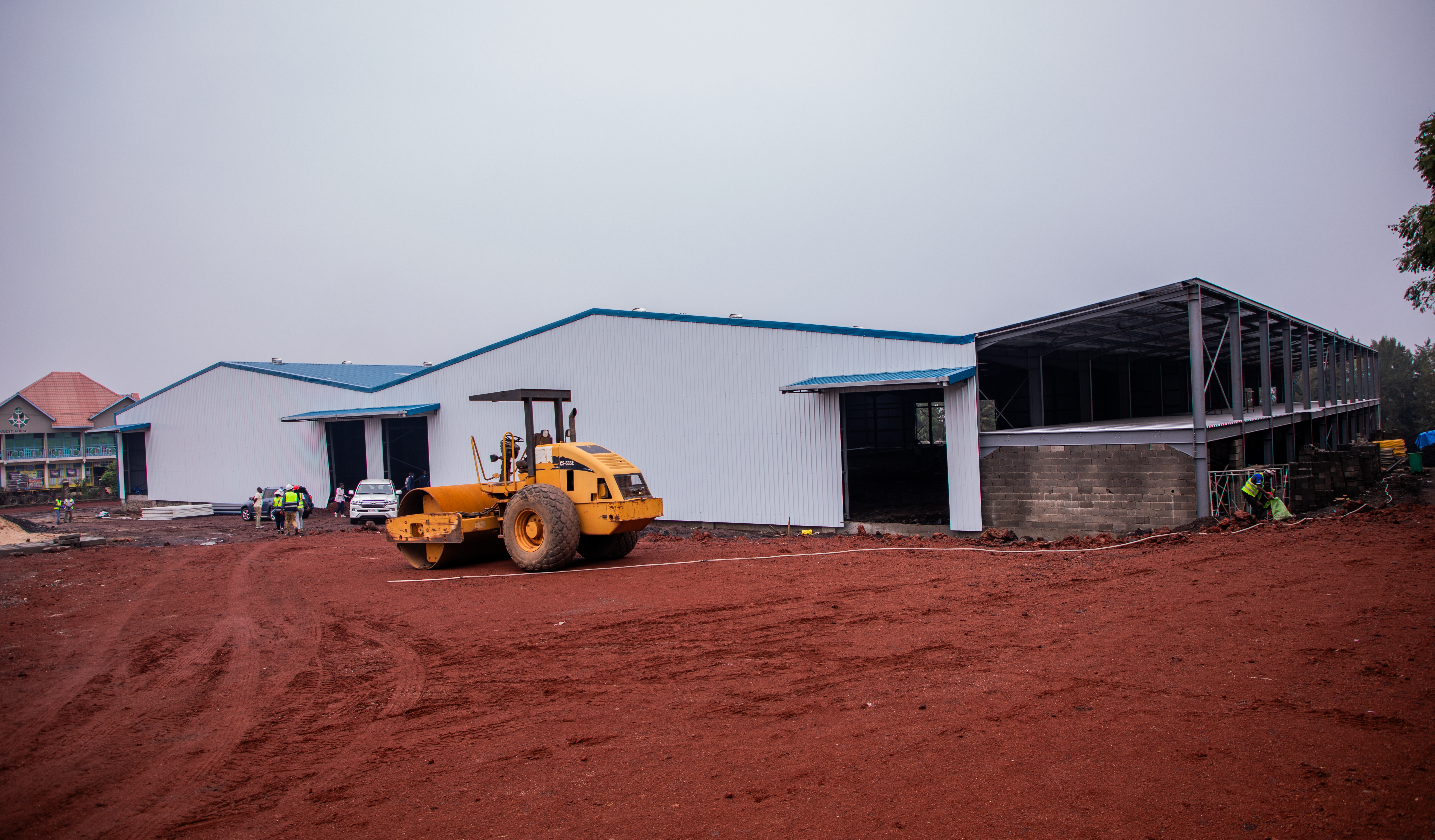
Rubavu Bonded Warehouse to Open in Early August 2025
The Rubavu Bonded Warehouse, currently under construction by DP World, is scheduled to open in early August 2025. The facility is strategically…